
Call: (727) 786-3336 or Email:
Call: (727) 786-3336 or Email:

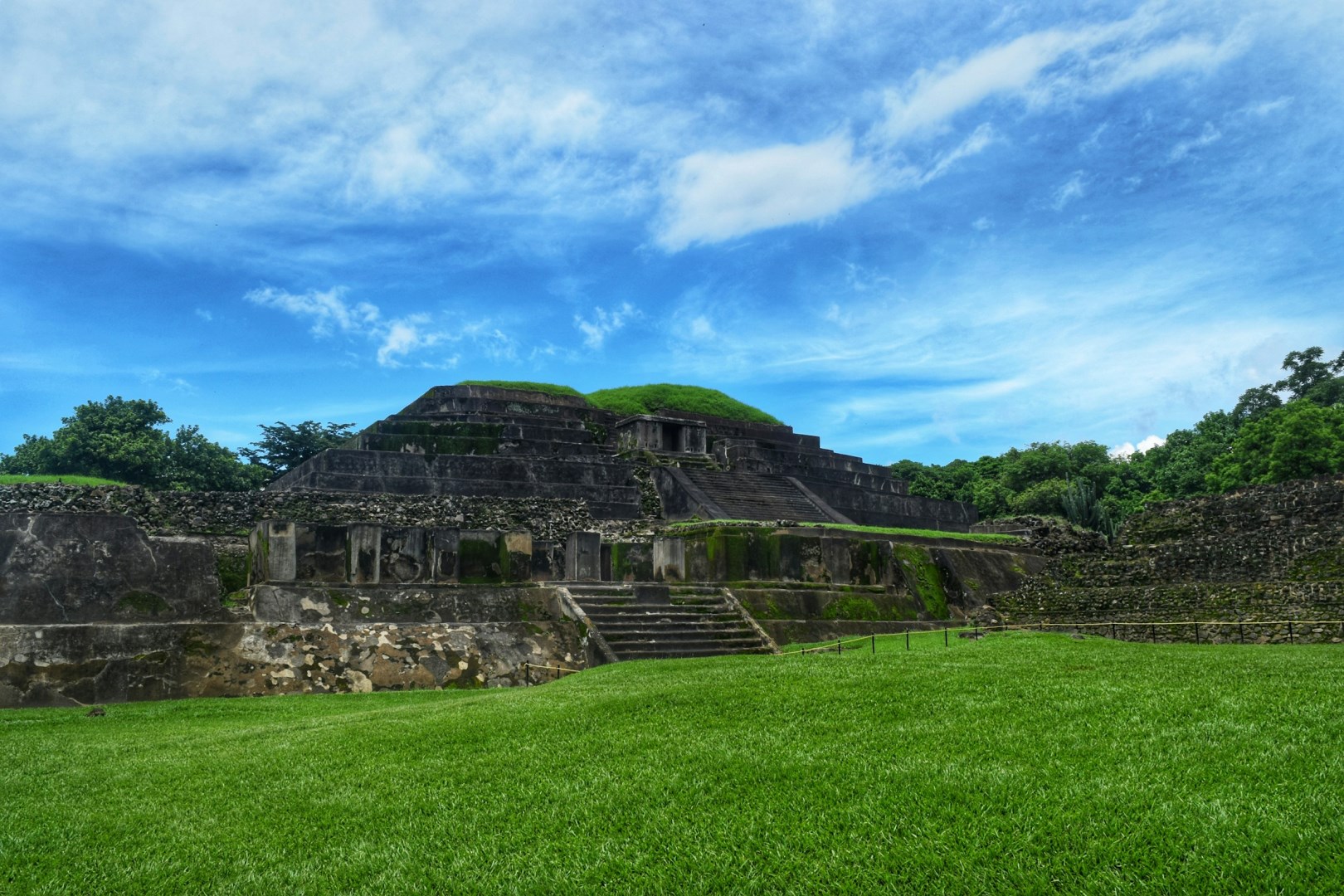
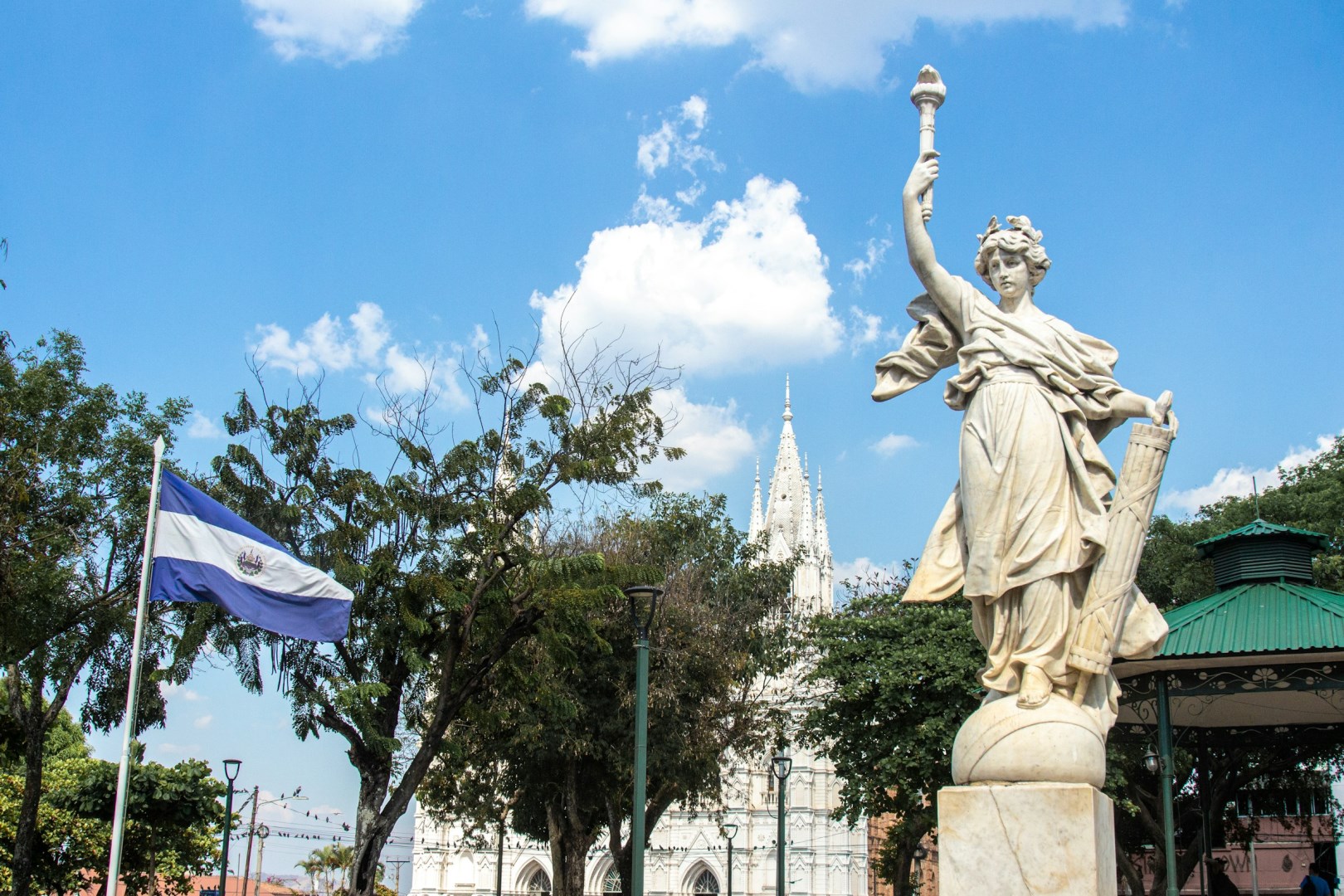
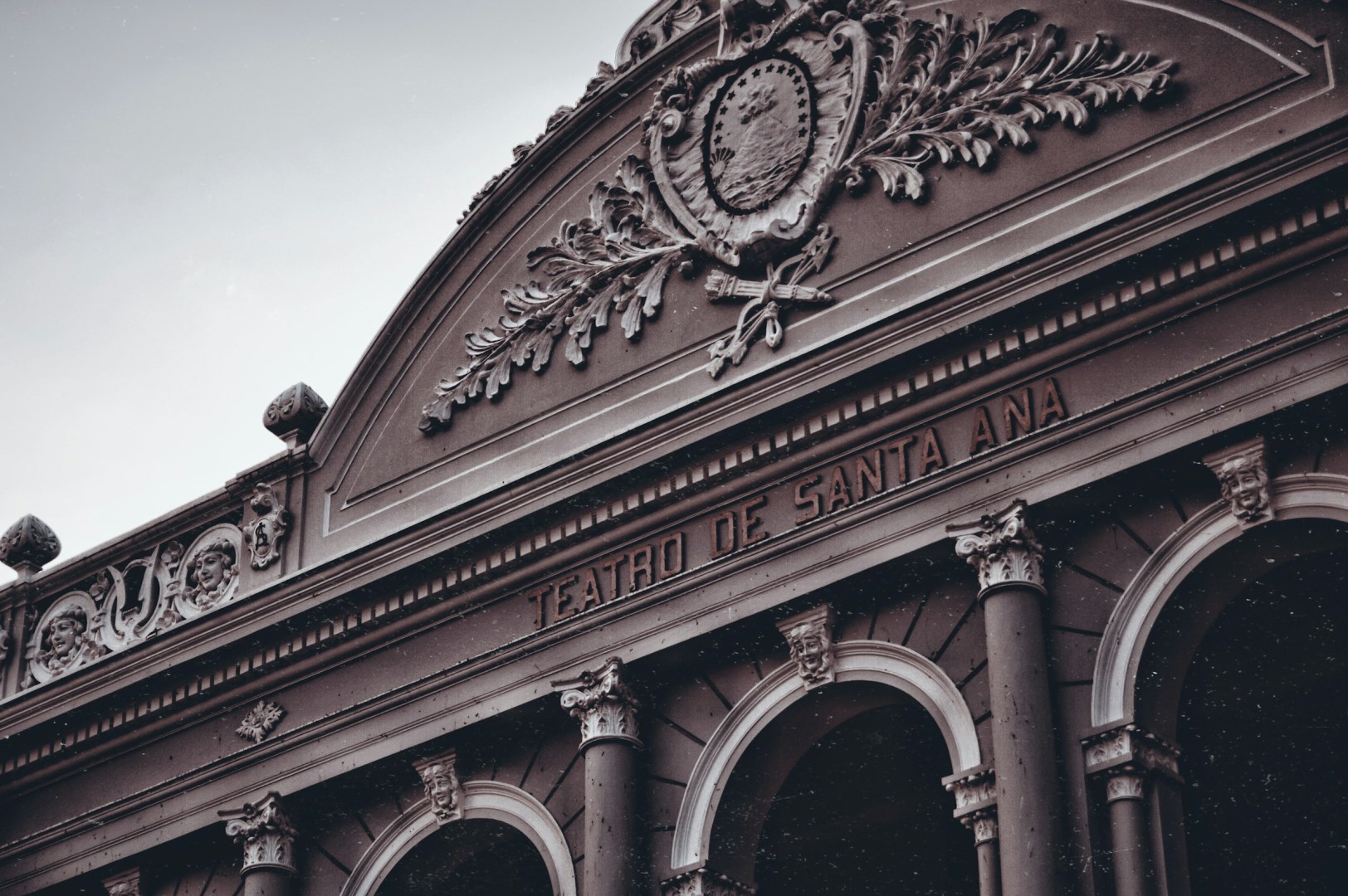

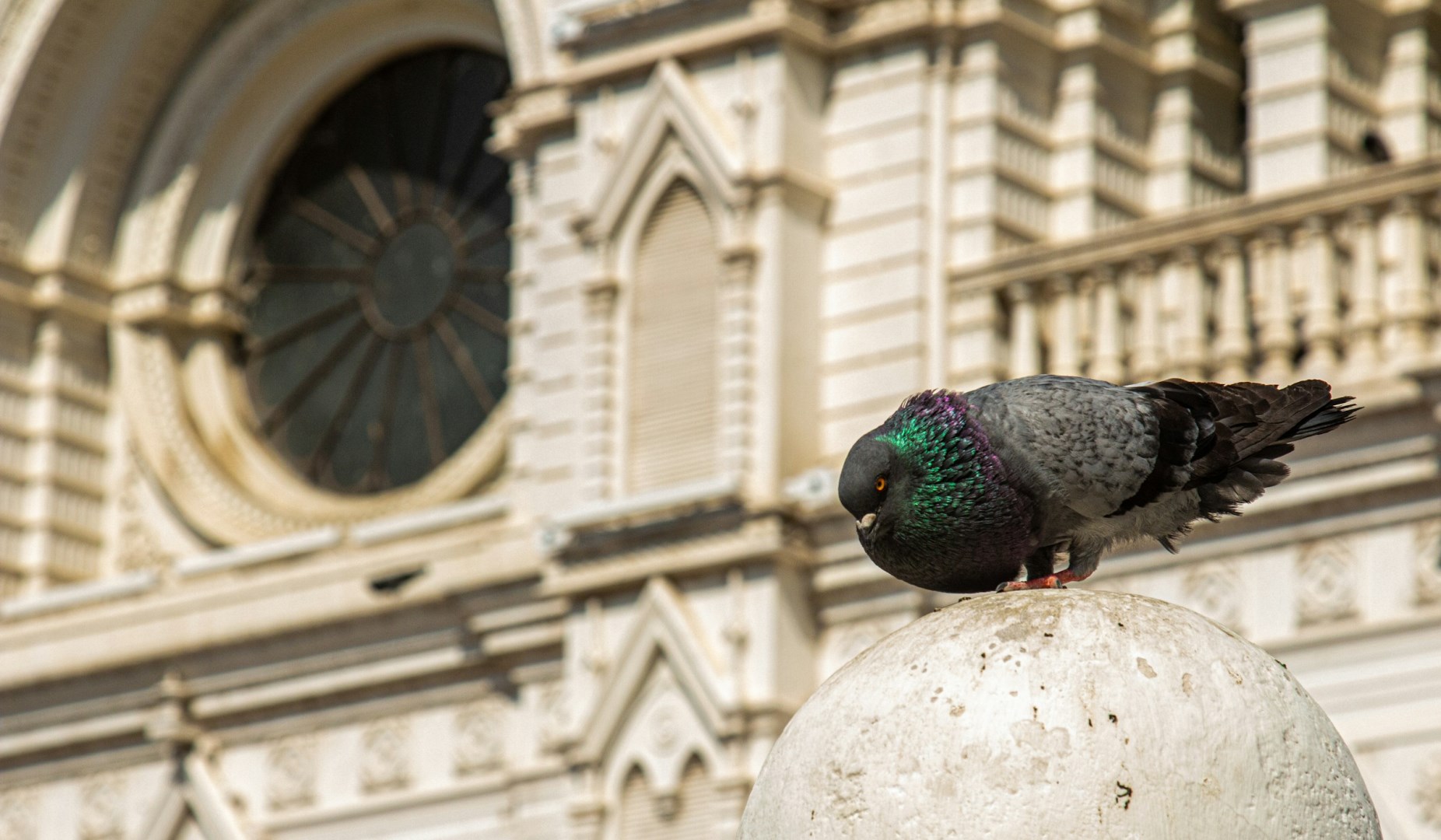

Santa Ana is a major city in western El Salvador, known for its historic center, grand public buildings, and location near several of the country's volcanic and lake landscapes. The city developed around Parque Libertad, where the distinctive Cathedral of Santa Ana stands alongside the Municipal Palace and National Theater. Its streets and plazas provide a strong sense of the city's urban identity, while its position in the department of Santa Ana makes it a practical base for exploring nearby natural attractions. The surrounding region includes coffee-growing areas, volcanoes, forests, and Lake Coatepeque.
Santa Ana has a strong cultural identity expressed through religious celebrations, local food, music, and public festivals. The city honors Santa Ana, its patron saint, through the Fiestas Julias, which feature parades, music, folkloric dancing, and sporting activities. The historic center is particularly important to the city's identity, with architectural landmarks grouped around Parque Libertad. The National Theater is another major cultural institution, noted for its decorated interior and role in artistic performances. Traditional Salvadoran food is widely available throughout the city, including pupusas and other dishes made with locally familiar ingredients.
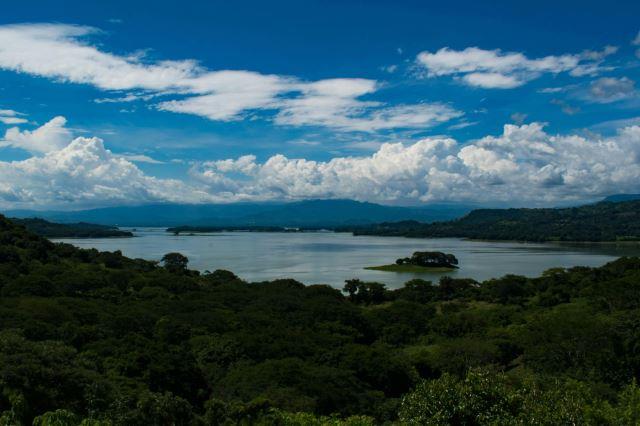
The Cathedral of Santa Ana is one of the city's most recognizable landmarks, with a distinctive Neo-Gothic design and prominent towers facing Parque Libertad. The National Theater and Municipal Palace are nearby, making the central district well suited to exploring on foot. Outside the city, Cerro Verde Recreational Park provides trails, viewpoints, and access to the Los Volcanes complex, including Santa Ana Volcano and Izalco Volcano. Lake Coatepeque, a volcanic lake surrounded by wooded slopes, offers opportunities for kayaking, boating, fishing, diving, and observing resident and migratory birds.
Food is an important part of everyday life in Santa Ana, with pupusas, soups, grilled meats, and other Salvadoran dishes served in local restaurants and markets. Coffee is also closely associated with the surrounding western highlands, where plantations benefit from the region's volcanic soils and cooler mountain conditions. Lake Coatepeque adds another distinctive feature to the wider area: its water can naturally shift between blue and turquoise-green during periodic changes monitored by environmental authorities. Together, the historic center, volcanic landscapes, coffee-growing countryside, and nearby lake give Santa Ana a varied regional identity within western El Salvador.
 ACCENT on TRAVEL
34931 US 19N - Suite 109, Palm Harbor, FL 34684
Call: (727) 786-3336 | Email: